Steps to Commissioning an Artist: Your Friendly Guide to Custom Artwork
- Mar 17
- 5 min read
Commissioning an artist can feel like stepping into a whole new world. You want something unique, something that speaks to you, but where do you start? How do you make sure your vision comes to life without the stress? Well, I’ve been on both sides of the commission process, and I would like to to walk you through what to expect and what to ask for. Firstly you have to enjoy it so an artist with a bit of humour, some practical advice, and a sprinkle of personal experience always helps.
Understanding the steps in Commissioning an Artist
First things first, commissioning an artist means you’re asking someone to create a piece of art specifically for you. It’s a collaboration, a conversation, and sometimes a bit of a dance between your ideas and the artist’s style. The beauty of commissioning is that you get something truly one-of-a-kind, tailored to your taste and space.
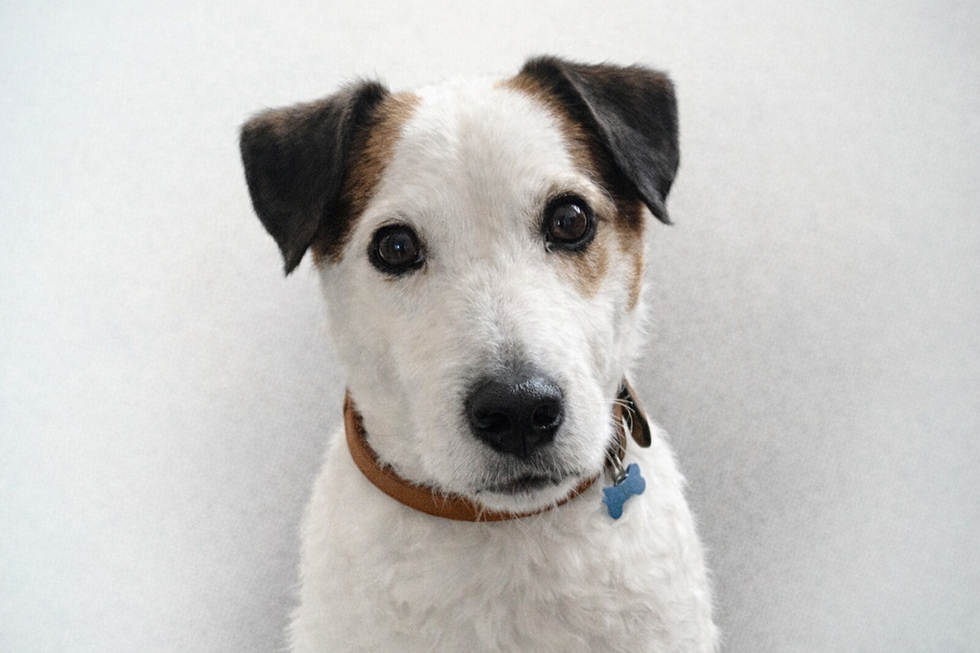
When I first decided to undertake my first commission a portrait of a beloved dog, I had no idea how to start with my first client. I just knew they wanted something special. That’s when I realised commissioning an artist is about more than just handing over money and waiting. It’s about building a relationship, setting clear expectations, and respecting the artistic process.
Here’s what I would advise:
Be clear about what you want: The more specific you are, the better the artist can deliver.
Understand the artist’s style: Not every artist will be a perfect match for your vision. Art and particularly portraits of animals is very subjective. Some artists work from sketches others from photos.
Budget realistically: Quality art takes time and skill, so be prepared to invest. A good pet portrait can take at least three days, landscapes and sea scapes a week or two,
Finding the Right Artist for Your Commission
Now, this is where the adventure begins. You might be wondering, how do I find an artist to commission? It’s a question I asked myself many times. "How will people know how to contact me. The good news is, there are plenty of ways to discover talented artists who are open to commissions.
You can start by exploring online platforms, social media, or local art galleries. Most good artists have their own website or on line gallery like The Eyecon Gallery.
When browsing, pay attention to:
Portfolio quality: Look for consistency and pieces that resonate with you.
Commission policies: Some artists have clear guidelines on what they offer.
Reviews or testimonials: Feedback from previous clients can be very telling.
Remember, this is about finding someone whose work excites you and who you feel comfortable communicating with.

How do you ask an artist for a commission?
Asking an artist for a commission might feel a bit intimidating, but it doesn’t have to be. Think of it as starting a friendly conversation. Most artists appreciate clear, polite, and detailed inquiries and usually have a contact process on their web site.
Here’s a simple approach we use at Art-Marco:
Introduce yourself briefly: A little context goes a long way.
Describe your idea: Be as specific as possible about what you want.
Ask about availability and pricing: This helps set expectations early.
Request examples or references: If you want something similar to a previous work.
Be open to their input: Artists often have valuable suggestions.
For example, I once received an email from a customer that went along the lines of:-
“Hi, I love your style and was wondering if you take commissions for pet portraits? I’m looking for a colourful, playful piece of my dog. Could you let me know your rates and timeline?”
Simple, right? We try to make it even more simple with a contact us page and enquiry form with a conact button like this one.
.
Don’t worry if you don’t have all the details nailed down. The artist can help you refine your vision but filling in the initial form is a great start.
Setting Clear Terms and Expectations
Once you’ve connected with an artist and agreed to move forward, it’s crucial to set clear terms. This step can save you from misunderstandings and ensure a smooth process.
Here’s what to cover:
Scope of work: What exactly will the artist create? Size, medium, style?
Timeline: When can you expect drafts and the final piece?
Payment terms: Deposit amount, full payment, and refund policies.
Revisions: How many changes are included, and what counts as extra?
Copyright and usage: Who owns the artwork, and can you reproduce it?
I learned this the hard way when I had completed a commission a few years ago now and was asked by the client to change the pallet to match her new decor !!
Let’s just say, I amended my terms to include the cost of revisions from that point on.
A written agreement or contract is always a good idea, even if it’s just a detailed email thread.

Staying Engaged During the Creation Process
Commissioning art isn’t a “pay and wait” situation. Staying engaged during the process helps ensure the final piece matches your expectations. Understand how many times you will be able to review progress and the process from start to finished work.
Most artists will share progress updates or sketches. This is your chance to provide feedback, ask questions, and make sure you’re both on the same page.
Here are some tips:
Be respectful and constructive: Remember, art is subjective, and the artist is doing their best.
Respond promptly: Timely feedback keeps the project moving.
Trust the artist’s expertise: Sometimes their creative choices will surprise you in a good way.
I always ask for various pictures and send a few initial sketches detailing my thoughts on composition. It helps to clarify thoughts and ideas and on many occasions is a spring board of ideas and content.
Receiving and Caring for Your Commissioned Artwork
Finally, when your commissioned artwork arrives, it’s a moment to cherish. Whether it’s a painting, sculpture, or digital print, you’ve got something unique made just for you.
Here’s what to do next:
Inspect the piece carefully: Check for any damage during shipping.
Ask about care instructions: Different mediums require different maintenance.
Display it proudly: Find the perfect spot to showcase your new treasure.
Share your experience: Artists love seeing their work in its new home and hearing your story.
Commissioning art is a rewarding journey that results in a personal connection to the piece. It’s not just about owning art; it’s about celebrating creativity and supporting artists.
Commissioning an artist might seem daunting at first, but with these steps, you’re well on your way to owning a beautiful, custom piece that tells your story. Remember, it’s a collaboration built on communication, respect, and a shared love of art. So go ahead, take that first step - your walls (and heart) will thank you!


Comments